
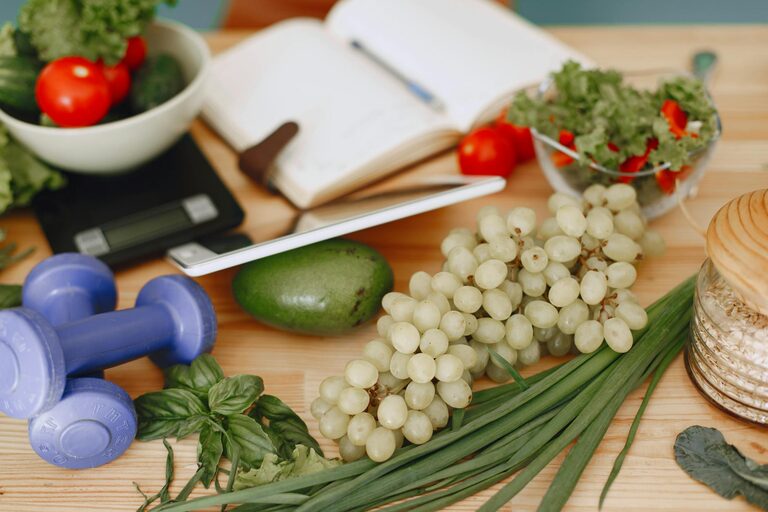
Planning balanced meals doesn’t have to be overwhelming or time-consuming. With a little preparation and some simple strategies, you can create nutritious, delicious meals that support your health and fit your lifestyle. Whether you’re new to meal planning or looking for ways to make it easier, this guide will help you plan balanced meals without stress.
Why Plan Balanced Meals?
Balanced meals provide your body with the nutrients it needs to function well. They typically include a mix of:
– Protein for muscle repair and energy
– Carbohydrates for fuel
– Healthy fats for brain health and absorption of vitamins
– Fiber and vitamins from fruits and vegetables
Eating balanced meals regularly can lead to more sustained energy, better mood, and improved overall wellbeing.
Step 1: Understand the Basics of a Balanced Meal
Before diving into meal planning, it helps to visualize what a balanced plate looks like. A simple way to do this is the “plate method”:
– Half your plate: Vegetables and fruits
– One quarter: Protein sources like chicken, beans, tofu, or fish
– One quarter: Whole grains such as brown rice, quinoa, or whole-wheat pasta
– Add a small amount of healthy fats: Olive oil, avocado, nuts, or seeds
This method is easy to remember and flexible to suit any dietary preferences.
Step 2: Start with a Weekly Meal Plan
Planning your meals ahead of time saves decision fatigue and prevents last-minute unhealthy choices.
How to create a weekly meal plan:
- **Check your schedule:** Note any days you’ll need quick meals or have less time to cook.
- **Choose simple recipes:** Focus on recipes with ingredients you like and that are easy to prepare.
- **Include variety:** Aim to rotate different protein sources, vegetables, and grains throughout the week to keep meals interesting.
- **Write down your plan:** Use a planner, app, or simple notebook.
Step 3: Make a Smart Grocery List
Once your meal plan is set, create a grocery list organized by sections such as produce, dairy, proteins, and pantry staples. This makes shopping faster and ensures you buy what you need — and avoid impulse buys.
Tips for your grocery list:
– Buy seasonal fruits and vegetables for better taste and price.
– Stock up on versatile pantry items like canned beans, whole grains, and frozen vegetables.
– Don’t forget healthy snacks such as nuts or yogurt.
Step 4: Prep Ahead to Save Time
Meal prepping helps reduce daily cooking stress. You don’t need to cook every meal in advance — even simple steps like washing and chopping vegetables can make cooking easier.
Easy prep ideas:
– Cook grains like rice or quinoa in batches and store in the fridge.
– Portion out snacks and fruits in containers.
– Prepare protein in bulk, for example, roast a chicken or cook beans.
– Make sauces or dressings ahead of time to add flavor quickly.
Step 5: Keep Meals Flexible
Even with a plan, it’s fine to be flexible. If you feel like swapping a meal or eating leftovers, go for it. The goal is balance over time, not perfection every day.
Simple Balanced Meal Examples
Here are some balanced meal ideas to inspire your planning:
Breakfast
– Greek yogurt with berries, a sprinkle of nuts, and a drizzle of honey
– Oatmeal topped with sliced banana, chia seeds, and almond butter
– Whole grain toast with avocado and a poached egg
Lunch
– Quinoa salad with chickpeas, cherry tomatoes, cucumber, and lemon vinaigrette
– Whole wheat wrap with grilled chicken, mixed greens, and hummus
– Veggie stir-fry with brown rice and tofu
Dinner
– Baked salmon with roasted sweet potatoes and steamed broccoli
– Lentil curry with basmati rice and a side of sautéed spinach
– Turkey meatballs with whole wheat spaghetti and a side salad
Step 6: Listen to Your Body and Enjoy Your Food
Planning meals is not just about nutrition but also about enjoyment and nourishment. Take time to savor your meals, try new recipes, and adjust your plans based on how your body feels and your lifestyle changes.
Final Thoughts
Healthy eating and balanced meal planning can become second nature with some practice. Remember to keep it simple, stay flexible, and focus on whole foods. By following these steps, you’ll reduce stress around meal times and build a sustainable, healthy eating routine.
Happy meal planning!