
Reducing food waste at home is a win-win situation — it saves money, reduces environmental impact, and helps you make the most of the food you buy. Many households throw away perfectly edible food each week, often without realizing it. Fortunately, there are numerous easy and practical steps you can take to cut down on waste. In this post, we’ll explore actionable methods to help you reduce food waste effectively.
Why Reduce Food Waste?
Before diving into tips, it’s helpful to understand why reducing food waste matters. Globally, about one-third of all food produced is wasted. This contributes to unnecessary resource use, such as water, energy, and labor, and increases greenhouse gas emissions when food decomposes in landfills.
At home, wasting food means throwing away money spent on groceries. By managing food better, you can save money, eat healthier, and contribute positively to the environment.
Plan Your Meals Ahead
One of the most effective ways to reduce food waste is intentional meal planning.
– Make a Weekly Meal Plan: Decide meals for the week and create a shopping list based on what you need. This reduces impulse purchases and overbuying.
– Check Your Pantry and Fridge: Use what you already have first. This prevents food from spoiling unused.
– Buy Only What You Need: Stick closely to your list. Avoid stocking up on items that will expire before you can eat them.
Meal planning helps you shop smarter and keeps your kitchen organized.
Shop Smart and Store Food Properly
How you buy and store food directly impacts how long it stays fresh.
– Choose Loose Produce: This allows you to pick the exact quantity you need.
– Understand Expiration Labels: “Best before” usually indicates quality, while “use by” is about safety. Don’t toss food prematurely just because of a date.
– Use Clear Storage Containers: See what’s inside your fridge to avoid forgetting leftovers.
– Store Foods Correctly: Some fruits and veggies last longer in the fridge, while others do better at room temperature. For example, potatoes and onions should be kept in a cool, dark place outside the fridge.
Researching how to store fruits, vegetables, dairy, and bread properly will extend their freshness.
Use Leftovers Creatively
Leftovers can be turned into delicious new meals rather than trashed.
– Create Leftover-Friendly Recipes: For example, use roasted vegetables in soups or stir-fries.
– Build a “Leftover Night” into Your Week: Dedicate one night to clearing leftovers before they go bad.
– Freeze Leftovers: Many cooked dishes freeze well, so store meals in portion-sized containers for future use.
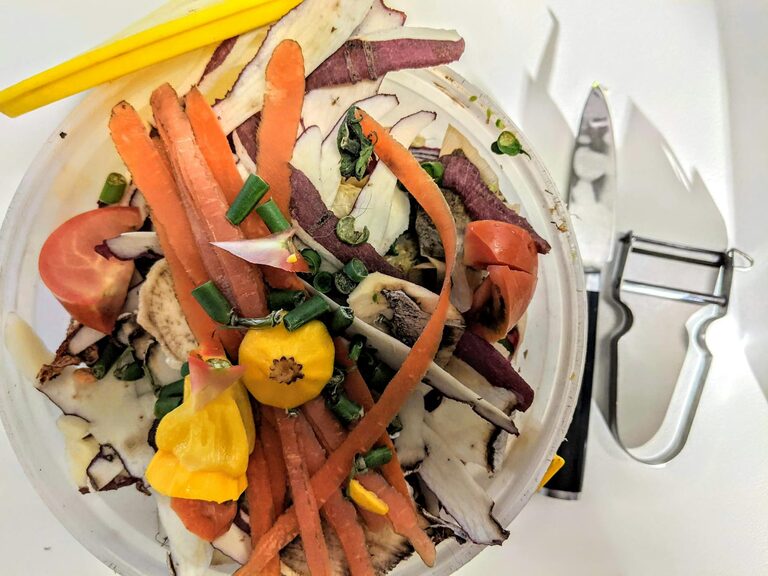
– Repurpose Food Scraps: Use vegetable peels to make homemade broth instead of throwing them away.
Embracing leftovers reduces waste and can inspire creative cooking.
Practice Portion Control
Cooking or serving too much food often leads to waste.
– Cook Appropriate Portions: Use measuring cups or scales to prepare realistic quantities.
– Serve Smaller Portions First: Guests can always ask for seconds, and leftover servings can be saved.
– Store Leftover Ingredients: If you only use part of a packaged item (like half a bell pepper or some herbs), store the rest properly to keep them usable.
By avoiding oversized portions, you’ll reduce uneaten food.
Compost Food Scraps
Some food waste is unavoidable. Composting is a great way to recycle organic waste.
– Start a Compost Bin: Use kitchen scraps like fruit and vegetable peelings, coffee grounds, and eggshells.
– Use Compost in Your Garden: It enriches the soil and reduces the need for chemical fertilizers.
– Check Local Compost Programs: If composting at home isn’t an option, many communities offer compost pickup services.
Composting turns waste into a resource that benefits your home or community.
Educate Your Household
Reducing food waste requires awareness from everyone in the home.
– Share Tips and Benefits: Explain why food waste matters and how small changes make a difference.
– Assign Food Responsibility: Encourage family members to check dates and store foods properly.
– Make Waste Reduction Fun: Try challenges or rewards to motivate waste-saving habits.
A team effort leads to better success.
Use Technology to Help
Apps and online resources can support your waste reduction goals.
– Meal Planning Apps: These help create shopping lists and track pantry items.
– Food Inventory Apps: Manage what you have and get reminders before food expires.
– Recipe Apps for Leftovers: Suggest meals based on ingredients you need to use up.
Leveraging technology can simplify this process.
—
Reducing food waste at home is achievable through thoughtful planning, smart storage, creative cooking, and teamwork. Each small step adds up to a positive impact on your wallet and the planet. Start with one or two strategies, and gradually build habits that make food go further. Your efforts make a meaningful difference!