
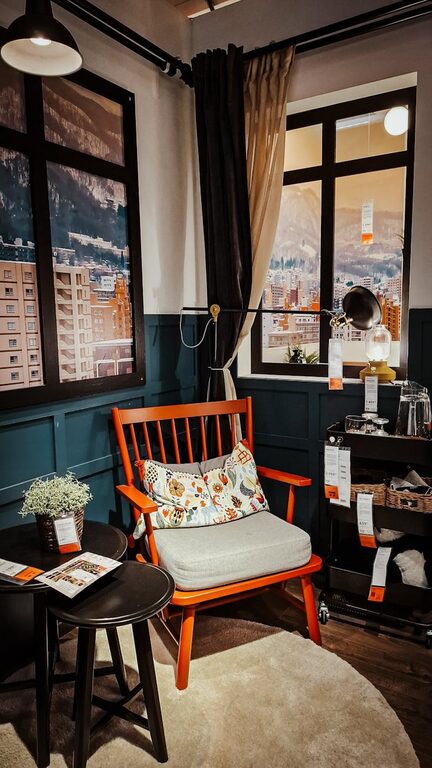
Creating the perfect lighting in your home can transform your living space, making it more comfortable, functional, and stylish. Too often, lighting is overlooked or chosen without much thought, which can lead to harsh, dim, or uneven light that affects your mood and daily activities. Whether you’re updating a single room or redesigning your entire home, thoughtful lighting choices can make all the difference.
In this article, we’ll explore practical tips for choosing comfortable home lighting that suits your needs and enhances every room.
Why Comfortable Lighting Matters
Lighting affects how we feel and perform tasks. Good lighting reduces eye strain, enhances the atmosphere, and highlights the features of your home. Comfortable lighting is not just about brightness—it’s also about the quality, color temperature, and how light interacts with the space.
Understand Different Types of Home Lighting
Before diving into tips, it helps to understand the three main types of lighting used in most homes:
– Ambient Lighting: The general, overall light that illuminates a room. Examples include ceiling fixtures, recessed lights, or large pendant lights.
– Task Lighting: Focused lighting that helps you perform specific activities like reading, cooking, or working. Desk lamps, under-cabinet lights, and vanity lights fall into this category.
– Accent Lighting: Decorative lighting that highlights architectural features, artwork, or plants. Spotlights, wall sconces, and LED strips are common.
A balanced combination of these types creates layered lighting that feels comfortable and adaptable.
Tips for Choosing Comfortable Home Lighting
1. Consider the Purpose of Each Room
Different rooms have different lighting needs. For example:
– Living rooms benefit from adjustable ambient lighting with dimmers to set a cozy mood.
– Kitchens require bright, clear task lighting for cooking and food prep.
– Bedrooms usually need soft, warm lighting to relax and unwind.
– Bathrooms require bright lighting around mirrors for grooming but softer lighting elsewhere to create a soothing environment.
Assess the main activities in each space and select lighting accordingly.
2. Choose the Right Color Temperature
Light bulbs come in various color temperatures measured in Kelvins (K). This influences the light’s warmth or coolness:
– Warm White (2700K–3000K): Gives a cozy, inviting glow, ideal for bedrooms and living rooms.
– Neutral White (3500K–4100K): Offers a balanced tone suitable for kitchens, offices, and bathrooms.
– Cool White (5000K+): Produces a bright, daylight-like effect good for task areas but can feel harsh if overused.
Opt for warmer tones in relaxation spaces and neutral or cool tones where clarity is essential.
3. Use Dimmer Switches for Flexibility
Installing dimmer switches allows you to adjust brightness to suit different times of day and activities. For example, bright light in the morning can energize you, while a gentle dimmed ambiance helps wind down at night. Dimmers work well with most LED and incandescent bulbs.
4. Avoid Glare and Harsh Shadows
Glare and shadows make lighting uncomfortable and can strain your eyes. To prevent this:
– Use lampshades or diffusers to soften light.
– Position light sources to reduce direct exposure to the eyes.
– Consider indirect lighting, such as wall washers or uplights, which bounce light off walls or ceilings.
Test your lighting arrangement before finalizing it to ensure it feels balanced.
5. Layer Your Lighting
Avoid relying on a single light source per room. Instead, combine ambient, task, and accent lighting to create depth and flexibility. For example, a living room might include a central ceiling fixture, side table lamps for reading, and accent lights highlighting artwork.
Layered lighting lets you customize the atmosphere depending on your mood or activity.
6. Choose Energy-Efficient Bulbs
Modern LED bulbs offer excellent light quality, energy efficiency, and long lifespans. They emit less heat compared to incandescent bulbs, making them safer and more comfortable. When shopping for bulbs, look for the ENERGY STAR label and check the lumen output to match your desired brightness.
7. Match Lighting Styles with Your Decor
Lighting fixtures are also decorative elements that contribute to your home’s style. Whether your taste is modern, rustic, minimalist, or traditional, select fixtures that complement your décor to make your space cohesive and inviting.
8. Pay Attention to Fixture Placement
Where you place your lights matters as much as the type of fixture:
– Over dining tables, use pendants hung at the right height to illuminate without obstructing views.
– In reading nooks, position floor or table lamps to direct light onto the book.
– Avoid placing lights too close to reflective surfaces, which can create unwanted glare.
9. Use Smart Lighting Options
Smart bulbs and lighting systems offer advanced control over brightness, color, and scheduling. You can change light settings via smartphone or voice assistants to suit your preferences throughout the day. These systems make managing comfortable lighting easier and more convenient.
10. Don’t Neglect Natural Light
Maximize the use of natural light during the day. Arrange furniture to benefit from windows, use light-colored curtains or blinds that diffuse sunlight without blocking it entirely, and keep windows clean. Natural lighting improves mood and reduces the need for artificial light.
Final Thoughts
Choosing comfortable home lighting requires a balance of functionality, aesthetics, and personal preference. By considering the purpose of each room, selecting the right bulbs and fixtures, layering your lighting, and using smart solutions, you can create a home environment that feels welcoming and supports your lifestyle.
Take your time experimenting with different lighting options and enjoy the process of making your home both beautiful and comfortable.
—
If you found these tips helpful, try evaluating each room in your home today to see where you might improve your lighting — comfort is just a few adjustments away!